Tardive Dyskinesia vs Drug-Induced Parkinsonism
Tardive dyskinesia vs psychosis-induced parkinsonism: onset, movement quality, dose response, AIMS scoring, and opposite treatment directions explained.
Evidence-based revision strategies, exam blueprints, and clinical explainers — written for MRCPsych, RANZCP, and USMLE candidates.

Metabolic monitoring for antipsychotics starts with baseline BMI, glucose and lipids, then fixed-interval checks to catch weight and diabetes risk early.

The lamotrigine titration schedule starts at 25 mg and doubles weekly to 200 mg — because rash risk peaks in the first 8 weeks. Learn the rules.


Learn how to write a psychiatric discharge summary that GPs actually use: section order, medication table, risk wording and a dated follow-up plan.

Learn how to assess capacity to consent with the four-pillar test, a structured conversation, note-ready phrasing, and classic exam pitfalls.

How long does sertraline take to work? Expect early results in 2-4 weeks and full benefit by 6-8. Learn the week-by-week timeline and why week 2 feels tough.

Functional neurological disorder, or conversion disorder, explained: DSM-5 criteria, positive bedside signs, and what actually works in treatment.

A practical delirium vs dementia differential: onset, fluctuation, attention testing, hypoactive presentations, 4AT/CAM and the workup that follows.

When does CYP2D6 or CYP2C19 pharmacogenomic testing change psychiatric prescribing? Phenotypes, gene-drug pairs and phenoconversion, explained for exams.

Master the DSM-5 criteria for catatonia: the 12 features, the 3-of-12 rule, lorazepam challenge and malignant variants, with a bedside table.

Bulimia vs binge eating disorder comes down to one question: does the patient compensate for the binge? Compare DSM-5 criteria, complications and treatment.

Learn how to tell antidepressant discontinuation syndrome from depression relapse using timing, symptom patterns, and the re-challenge test.

The anticholinergic cognitive burden scale, explained: how ACB scores add up, the drugs that score 3, and how to deprescribe the load safely.

Adjustment disorder vs major depression under DSM-5-TR: syndrome thresholds, stressor rules, severity markers and prognosis, plus the classic exam trap.

How the RANZCP clinical assessment works, the domains examiners reward, and preparation that transfers — with format caveats built in.

Episodic versus reactive mood: how clinicians tell borderline personality disorder apart from bipolar disorder, with a comparison table.

The four skill modules, the four modes, and the biosocial theory — what dialectical behaviour therapy actually involves and who benefits most.

Inhibitor or inducer, and which way levels move: the CYP450 enzymes that matter in psychiatry with real interaction examples.

The markable behaviours in CASC stations — structure, risk, plans and safety netting — plus the omission trap that fails candidates.

What ECT does, the side-effect profile patients experience, and how absolute versus relative contraindications are actually weighed.

The Step 2 answer pattern for first-episode psychosis — drug choice, dosing, maintenance rules and the psychosocial package, with distractors flagged.

Administration, scoring and interpretation of the Mini-Cog — a three-minute dementia screen with a clock-draw twist worth knowing.

Withdrawal timeline, seizure risk, and a step-by-step taper protocol — how to recognise benzodiazepine withdrawal and avoid relapse traps.

A practical C-SSRS walkthrough: the 1–5 ideation ladder, behaviour items, severity-to-action mapping and documentation that holds up.

A practical framework for telling drug-induced akathisia apart from anxiety and agitation, with a comparison table and treatment clues.

Cross-taper, direct switch or washout? A step-by-step guide to switching antidepressants safely, with example schedules and withdrawal red flags.

A worked Cohen's kappa example from observed agreement to interpretation bands, plus the prevalence paradox every stats exam tests.

Intent is the discriminator. Compare factitious disorder and malingering by motive, course and documentation, with an exam-focused table.

A practical SSRI vs SNRI comparison for trainees: mechanism, side effects, half-life and discontinuation, with a framework for choosing an antidepressant.

A practical walkthrough of the schizophrenia DSM-5 criteria, from the 2-of-6 rule to positive and negative symptoms and the dropped subtypes.

Reliability vs validity in psychology research: consistency versus accuracy, the bullseye logic, Cronbach's alpha and a four-step exam answer template.

A blueprint-driven RANZCP FACETS study strategy for the written exam: vignette reasoning, timed practice and AU/NZ guideline study for registrar life.

The PTSD DSM-5 criteria, from Criterion A exposure to the four symptom clusters, plus the one-month line separating acute stress disorder from PTSD.

A practical psychiatry residency interview preparation guide: STAR stories, MMI and panel technique, common red flags, and a two-week mock plan.

Master psychiatry MCQ exam technique: two-pass timing, smart elimination, trap spotting, and a wrong-answer review loop that turns practice into marks.

A structured psychiatric risk assessment framework: four domains, static versus dynamic factors, safety planning, and exam-ready documentation.

A step-by-step mental state examination guide: all ten MSE domains, what to ask and observe, abnormal findings, and ready-to-use documentation phrases.

Understand OCD DSM-5 criteria and Y-BOCS scoring: obsessions, compulsions, the 0-40 total, commonly used severity bands, and key differentials.

A phased 12-week MRCPsych Paper A study plan covering curriculum domains, question-bank technique, guidelines and statistics, ready for exam day.

Every MRCPsych candidate needs the Mental Health Act sections: durations, safeguards, nearest relative roles and classic exam traps in one guide.

Lithium therapeutic drug monitoring explained: target ranges, the 12-hour trough, level-raising drugs, the sick-day rule and toxicity recognition.

Clozapine monitoring covers blood counts, myocarditis watch, constipation and the 48-hour retitration rule — what MRCPsych candidates must know.

Bipolar disorder DSM-5 criteria explained: manic episode A-E logic, the 7-day vs 4-day rule, bipolar I vs II, and the differentials exams ask about.

Master the adult ADHD diagnosis: DSM-5 symptom thresholds, the childhood-onset rule, DIVA and ASRS assessment, and exam-ready differentials.

Serotonin syndrome vs neuroleptic malignant syndrome compared: mechanisms, onset, reflex findings, laboratory clues and the treatments for each.

A psychiatric case formulation template using the 5 Ps, with prompt questions, a worked depression example and the errors that cost marks in OSCEs.

Piaget vs Erikson stages compared: four cognitive stages, eight psychosocial crises, ages, core tasks, and the cues that reveal each in a vignette.

MMSE vs MoCA explained: 24 vs 26 cutoffs, ceiling effects, education adjustments, and why the MoCA catches mild cognitive impairment the MMSE misses.

Methadone vs buprenorphine, explained from the receptor up: induction rules, QTc monitoring, overdose ceilings and evidence for maintenance.

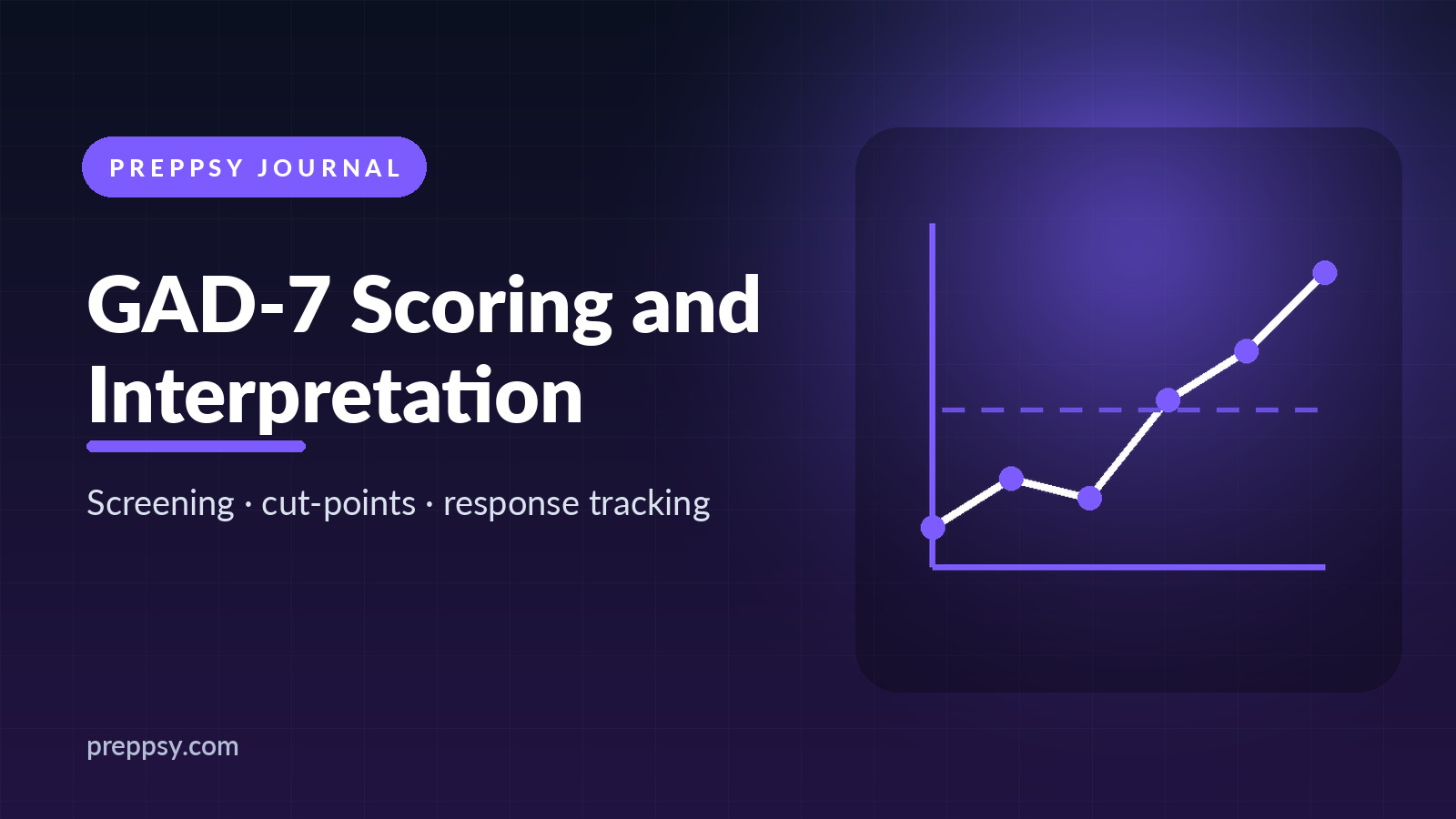
GAD-7 scoring and interpretation for clinicians: the 5/10/15 severity bands, Spitzer 2006 cutoffs, and how to track a real treatment response.

The DSM-5 personality disorder clusters at a glance: ten disorders, the two-of-four-domains rule, ICD-11's alternative, and key differentials.

A confidence interval explained plainly: what 95% really means, why width signals precision, and how to read a real trial result at the bedside

Learn benzodiazepine equivalence conversion in practice: approximate diazepam equivalents, half-life logic, a worked switch and safe taper rules.

Attachment styles explained: Bowlby's theory, Ainsworth's four patterns, adult measures, and exam-relevant links to BPD and the therapeutic alliance.

Master the USMLE Step 2 psychiatry high-yield topics — first-line treatments, emergencies, and next-best-step logic — with a revision-ready table.

A spaced repetition schedule for revision: the 1-3-7-14-30 day review ladder applied to psychiatry flashcards, grounded in Ebbinghaus and Cepeda.

A blueprint-driven 12-week RANZCP written exam preparation system: active recall, spaced MCQs, forensic and cultural psychiatry, and two full rehearsals.

What does p value mean statistics questions hinge on? NHST, p < 0.05, Type I/II errors, power, effect size and confidence intervals explained.

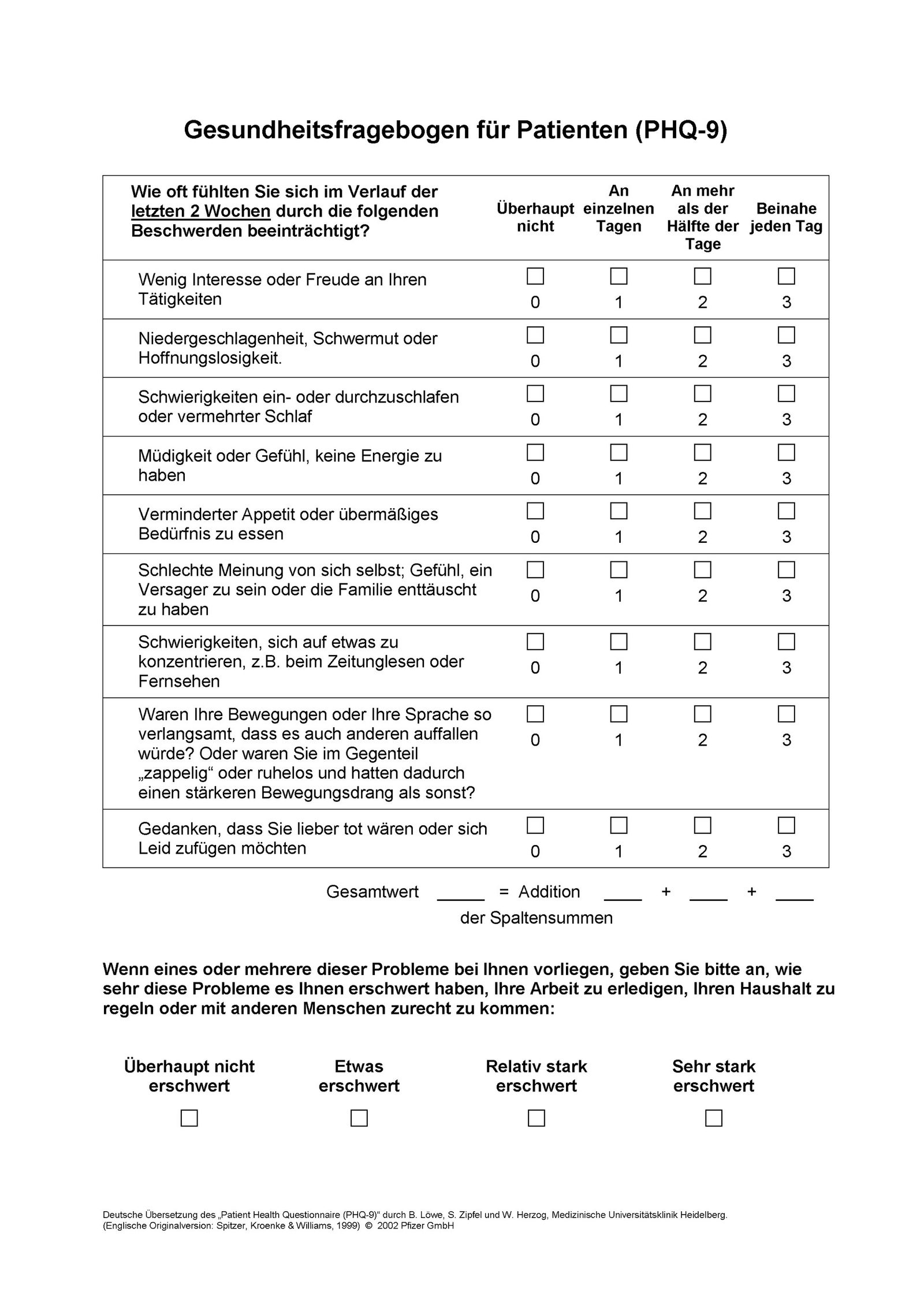
PHQ-9 scoring and interpretation explained: all nine items, the 5/10/15/20 severity bands, item 9 suicidality rules, and how to monitor treatment response.

How to pass the MRCPsych CASC on your first attempt — a 12-week prep system covering station types, communication structure, mock drills and pitfalls.

All nine DSM-5 major depressive disorder criteria, the 5+ symptom rule, specifiers, exclusions and the MDD vs persistent depression difference.

What is the difference between delusion and illusion? Clear definitions, clinical examples and a feature-by-feature table to master this exam distinction.

A practical guide to CBT techniques examples — thought records, behavioural activation, exposure and a worked social-anxiety thought record for exams.

Mnemonics for antipsychotic side effects — EPS syndromes, anticholinergic burden, metabolic, prolactin and clozapine risks in a typical vs atypical table.
Get weekly insights on learning science and study strategies delivered to your inbox.